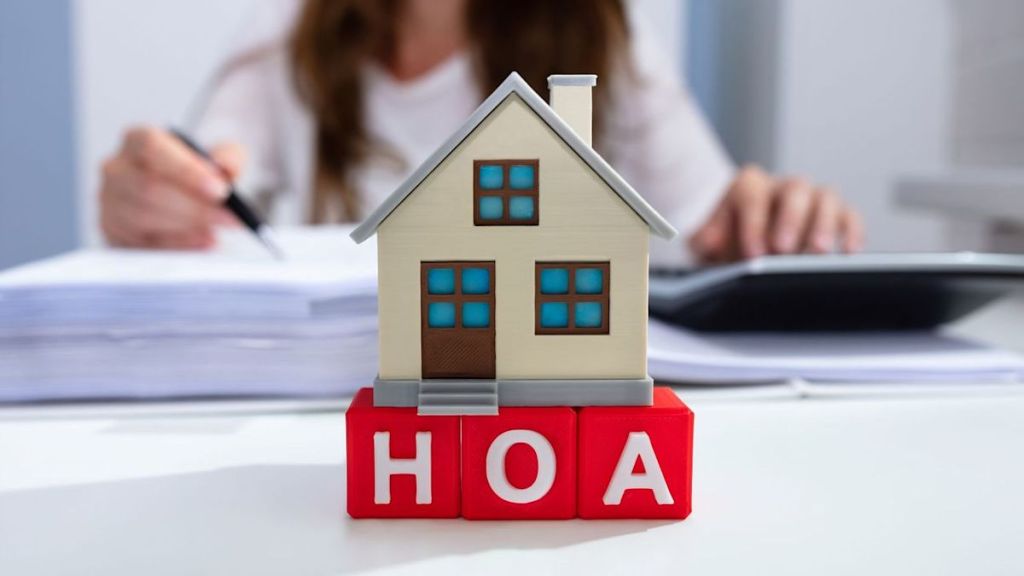
Selling a house in an HOA neighborhood entails more than simply agreeing on the sales price. Owners may be required to address past-due HOA fees and any special assessments as well.
The person responsible for paying an HOA special assessment during an Illinois real estate sale will depend on the terms of the sales contract, the date of the special assessment, and the HOA guidelines. The seller might anticipate that the buyer will be responsible for the future payments, but the buyer might think that the seller is responsible for a charge that was approved prior to closing.
Knowing what these obligations are ahead of time will save problems later on.
What Is an HOA Special Assessment?
An HOA special assessment is an extra charge collected from homeowners to cover expenses that regular association fees cannot meet.
Monthly HOA fees usually cover services such as landscaping, road maintenance, insurance, and shared facilities. However, larger repairs may require additional funds.
Common reasons for special assessments include:
- Roof repairs or replacement.
- Road and driveway repairs.
- Drainage and sewer work.
- Storm damage.
- Repairs to shared facilities.
- Major landscaping projects.
The association determines the amount and payment terms under its governing documents.
Who Pays an HOA Special Assessment When a Home Is Sold in Illinois?
Illinois has no single statute that makes the seller or buyer liable for all assessments related to the property sale.
When the Assessment Is Approved Before Closing
Let’s assume the HOA has assessed $5,000 for road repairs, and at the time of approval, the seller still owned the house. The parties should review the purchase agreement to determine how they will handle this expense. For instance, they could decide the seller will cover it before closing or handle it differently. Prior approval of the assessment does not clarify liability.
When the Assessment Is Approved After Closing
If the new assessment is approved after the buyer purchases the home, the buyer is typically obligated to pay it.
For instance, a buyer buys a home in March. Three months later, the HOA approves an assessment fee for road reconstruction. The buyer must pay the assessment, depending on the rules in the governing documents.
As such, buyers need to ensure that there are no planned assessments during the purchasing process.
On Payments of Assessments in Installments
Certain associations permit the homeowners to pay certain assessments through installments in more than one period.
As a result of the approval of the HOA board for the assessment, the homeowner pays an assessment of $6,000 divided into six monthly installments, each worth $1,000. The buyer sells the property after paying only two monthly installments, leaving the rest to be cleared.
It would thus be important to clearly specify the installment obligations between the seller and the buyer during the closing period.
What Should Buyers Check Before Closing?
Buyers should not rely only on the seller’s statement that all HOA fees are current. They should review the association’s records before completing the purchase.
Request an Updated HOA Account Statement
Ask the association for a statement showing regular dues, unpaid balances, fines, and special assessments.
Check whether an assessment has already been approved but does not appear on the latest statement.
Review HOA Meeting Minutes
Meeting minutes can show whether the association has discussed major repairs or additional charges.
For example, the board may have discussed replacing a damaged roof without approving the project yet. This could indicate a possible future expense.
Read the Association Documents
Review the declaration, bylaws, and other HOA rules. These documents explain how the association collects fees, approves assessments, and handles unpaid charges.
Check the Purchase Agreement
Make sure the agreement explains who will pay existing and pending assessments. Do not rely on verbal promises. Any payment arrangement should be included in the contract or a written amendment.
Can an Unpaid HOA Assessment Delay Closing?
Yes. Failure to pay assessments may cause some issues in the selling process. It depends on the bylaws and any relevant laws whether an association has the right to put a lien on a property due to unpaid charges. Regarding condominiums, Section 9 of the Illinois Condominium Property Act deals with liens for unpaid common expenses. In other community associations, there is the Illinois Common Interest Community Association Act. It may be necessary for the title company and attorneys to find out how much needs to be paid.
What If the Buyer and Seller Disagree About Payment?
Disagreements often arise when an assessment is approved before closing, but payments continue afterward.
The seller may believe the buyer should pay the remaining amount because the repairs will benefit the new owner. The buyer may argue that the seller should cover a charge approved during their ownership.
The purchase agreement is the first place to look for an answer.
Both parties should review the contract, assessment notice, and payment schedule. Their attorneys can help explain the agreed responsibilities and arrange a written solution if needed.
How Can a Real Estate Attorney Help?
An attorney can review the purchase agreement and HOA records to identify unpaid or pending assessments. They can also explain payment responsibilities, review possible property liens, and help resolve disagreements before closing.
This review can protect buyers from unexpected charges and help sellers complete the sale without leaving unpaid obligations behind.
Avoid HOA Payment Disputes with EJR Law Office
An HOA special assessment can change the final cost of buying or selling a home. EJR Law Office helps Illinois buyers and sellers review real estate contracts, understand association obligations, and address outstanding property charges. Whether you are dealing with an approved assessment, unpaid HOA fees, or a disagreement over future payments, our team can help you understand your legal options before closing. Contact EJR Law Office for guidance and to protect your interests during the sale.
Frequently Asked Questions
- Does the seller have to pay an HOA special assessment in Illinois?
Not always. Responsibility depends on the purchase agreement, assessment terms, and association documents.
- What if the HOA approves an assessment before closing?
The buyer and seller should check their contract to determine who must pay the charge.
- Can unpaid HOA assessments affect a property sale?
Yes. Unpaid charges may lead to an association lien and delay closing.
- Who pays an assessment approved after closing?
The buyer will generally be responsible as the new owner, subject to the governing documents and any applicable agreement.
- Should an attorney review HOA assessments before closing?
Yes. An attorney can review the contract and association records to help prevent payment disputes.